
Do Adults Need Fluoride Treatment During Routine Dental Visits?
Many people think fluoride is mainly for children, but that is not the full picture. Adults may benefit from fluoride treatment when tooth decay risk rises faster than the mouth can protect itself.
Adult cavities can also develop in places that are harder to notice early. Root surfaces, older fillings, and areas around crowns may become vulnerable even in people who brush well and keep regular dental visits.
Empower Dental Pasadena provides professional fluoride treatment in Pasadena, CA for adults seeking added cavity protection.
Why Fluoride Still Matters After Childhood
Fluoride supports the remineralization process, which helps repair early microscopic damage in tooth structure. In simple terms, it helps teeth recover from daily acid exposure before that damage turns into a cavity.
Adult teeth face repeated acid attacks from food, drinks, reflux, and bacterial plaque. Over time, that pressure can outweigh the natural protection from saliva, especially when the mouth is dry or home care is inconsistent.
Fluoride also helps make enamel more resistant to acid. It does not make teeth decay-proof, but it can improve the balance when cavity risk is higher.
Which Adults Are More Likely to Need It
Dentists usually recommend fluoride treatment based on risk, not age alone. Higher cavity risk matters more than whether someone had few dental problems in the past.
Adults may be more likely to benefit if they have had recent cavities, especially more than one in a short period. Recurrent decay around existing fillings or crowns can also suggest that extra protection makes sense.
Dry mouth is another major factor. Saliva helps wash away food particles, buffer acids, and return minerals to teeth, so when saliva flow drops, cavity risk often rises quickly.
Gum recession can also change the picture. When roots become exposed, they are generally more vulnerable to decay than enamel-covered surfaces.
Other common reasons include braces or clear aligners that make cleaning harder, frequent sugar intake, acid reflux, and certain medical conditions or medications that affect the mouth. Tobacco use and heavy alcohol use may also contribute by drying tissues or worsening oral conditions.
Common Situations Where Fluoride May Help
| Situation | Why It Matters |
| Recent cavities | Suggests the current prevention plan may not be enough |
| Dry mouth | Reduces the mouth's natural defense against acid and bacteria |
| Exposed root surfaces | Roots are more vulnerable to decay than enamel |
| Crowns, bridges, or many fillings | Margins around dental work can trap plaque and develop recurrent decay |
| Orthodontic appliances | Cleaning becomes more difficult, increasing plaque retention |
| Frequent sugar or acidic drinks | Repeated acid exposure increases mineral loss from teeth |
What a Fluoride Treatment Actually Does
In a dental office, fluoride is usually applied as a varnish, gel, or foam. The goal is to expose the teeth to a concentrated topical fluoride source for a controlled period.
This is different from fluoride in toothpaste or community water, though those still matter. Professional treatment adds another layer of protection when everyday exposure may not be enough.
Fluoride treatment can help slow early enamel breakdown and may reduce the chance that a weak spot progresses into a cavity. It cannot repair a large hole in a tooth, and it does not replace fillings when decay is already established.
For adults with root exposure, it may also help reduce sensitivity in some cases. Even so, the main reason dentists recommend it is usually cavity prevention.
When It Is Less Necessary
Some adults have a low and stable risk profile. If exams have been consistently healthy, saliva flow is normal, home care is strong, and there are no active risk factors, in-office fluoride may offer less added value.
That does not mean fluoride is irrelevant. It usually means routine exposure through fluoride toothpaste and drinking water may already be enough for the current level of risk.
This is why blanket answers are not very helpful. The better question is not whether every adult needs fluoride treatment, but whether current decay risk justifies an extra preventive step.
How Dentists Decide Whether It Makes Sense
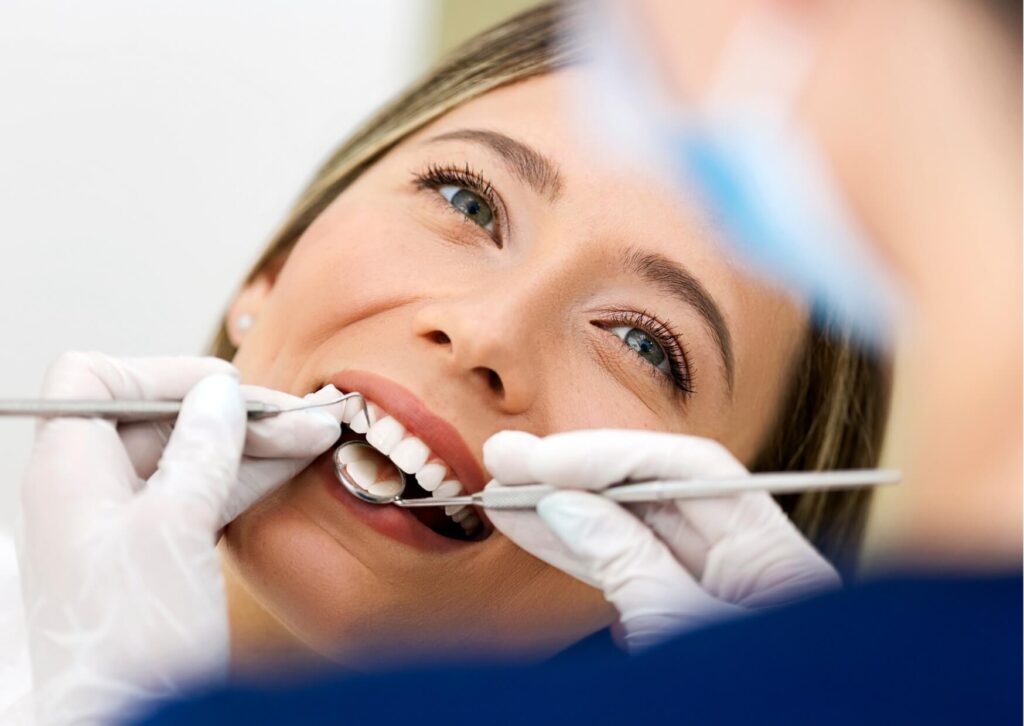
A good recommendation should be based on findings, not habit. Dentists often look at recent cavity activity, plaque buildup, recession, dry mouth symptoms, and the condition of older restorations.
Routine dental exams & cleanings help identify these risk factors and guide an individualized plan. They also give your dentist a chance to spot early changes before they become larger problems.
Diet matters more than many people expect. Frequent exposure to sugar or acidic beverages is often more damaging than occasional intake because teeth have less time to recover between acid attacks.
Saliva quality matters too. A mouth that feels sticky, dry at night, or dry during long conversations may not be protecting teeth effectively, even if brushing habits are solid.
Fluoride treatment is usually most helpful as part of a risk-based prevention plan, not as an automatic add-on for every adult patient. The ADA also supports topical fluoride effectiveness through evidence-based guidance for patients at elevated caries risk.
What Fluoride Can and Cannot Prevent
Fluoride is effective for reducing decay risk, but it has limits. It helps prevent cavities, especially early-stage mineral loss, but it does not treat periodontal disease, which affects the gums and supporting bone around teeth.
It also does not fix a fractured tooth, a loose crown, or a cavity that has already progressed deeply into the tooth. If pain, swelling, or visible breakdown is present, a dentist needs to determine whether restorative treatment is required.
In those cases, restorative dentistry may be the appropriate next step. Prevention tools are helpful, but they are not a substitute for diagnosis.
Red Flags That Should Not Wait
Fluoride treatment is not the right next step for every symptom. Urgent dental evaluation is more appropriate if there is facial swelling, fever, pus, severe toothache, worsening pain when biting, or a broken tooth with sharp or persistent sensitivity.
Bleeding gums alone do not usually mean an emergency, but ongoing bleeding, gum swelling, bad taste, or tooth mobility should still be assessed. Symptoms that are persistent, worsening, or hard to explain deserve a dental exam rather than self-diagnosis.
How to Get the Most Benefit If You Need It
Fluoride treatment works best when the rest of the prevention plan makes sense. If sugar exposure is frequent, plaque control is inconsistent, or dry mouth is unmanaged, the benefit may be limited.
A stronger strategy usually includes daily fluoride toothpaste, careful cleaning along the gumline, and reducing how often sugary or acidic drinks are consumed. Frequency matters because repeated exposure keeps the mouth in a cycle of acid attack.
For people with dry mouth, the issue is often not effort but biology. A dentist can help identify whether medications, mouth breathing, sleep issues, or medical conditions may be contributing.
If your teeth have exposed roots, multiple older fillings, or a recent history of decay, it is reasonable to ask whether professional fluoride treatment fits your risk level. That conversation is usually more useful than assuming it is necessary for everyone or unnecessary for all adults.
Empower Dental Pasadena offers professional fluoride treatment in Pasadena, CA and serves nearby Burbank and Eagle Rock; call us at (626) 427-0290 to schedule.
FAQs
Is fluoride treatment worth it for adults with no cavities?
Sometimes, but not always. If cavity risk is low and stays low, routine fluoride from toothpaste and water may be enough, though a dentist may still recommend treatment if there is dry mouth, recession, or another risk factor.
Can adults get cavities on the roots of teeth?
Yes. Root surfaces can become exposed when gums recede, and those areas are generally more prone to decay than enamel-covered parts of the tooth.
Does fluoride treatment help tooth sensitivity?
It can help in some cases, especially when sensitivity is related to exposed root surfaces. Still, sensitivity may also come from cracks, grinding, decay, or gum problems, so persistent symptoms should be evaluated.
How often do adults need fluoride treatment?
That depends on cavity risk and dental findings. The right interval varies, so it should come from a dentist's assessment rather than a one-size-fits-all schedule.
Is fluoride treatment a replacement for fillings?
No. Fluoride may help protect early weak areas, but it does not repair a tooth that already has significant structural decay.
A wisdom tooth coming in often looks like a small white point behind the last…
Most people have heard the standard advice to see a dentist every six months. That…
Choosing between crowns and veneers is not just about which one looks better. In most…
Flexible Payment Options
Get started in minutes with no impact on your credit—plus take advantage of 0% APR financing for up to 24 months.
- Quick approval process
- Soft credit check only—no effect on your score
- Apply funds to any dental service
Click below to check your eligibility—completely risk-free.